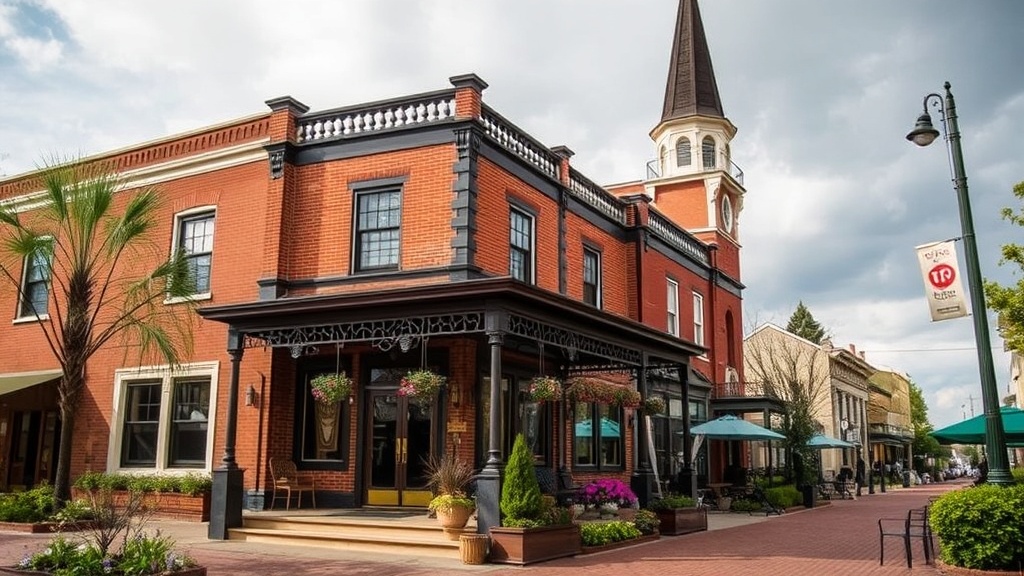
Where Can You Find the Best Strolls Through Prescott's Garden Street District?

What makes a downtown worth walking through—and why do some stretches of Main Street feel alive while others feel forgotten? If you've ever wondered where to stretch your legs, bump into neighbours, and actually enjoy the act of walking in Prescott, you're not alone. We've all driven past the same storefronts a hundred times without stopping to appreciate what makes our downtown corridors worth exploring on foot.
Garden Street and the surrounding downtown core aren't just routes to get from Point A to Point B—they're the backbone of our community's social life. Whether you're a lifelong resident who remembers when different businesses occupied those heritage storefronts or you're new to town and trying to get your bearings, knowing where to walk and what to look for transforms an ordinary afternoon into something that feels genuinely connected to Prescott's character.
What Should You Look for Along Garden Street's Heritage Block?
Start your walk at the corner of Centre Street and Garden Street—right where the traffic light gives you a moment to pause and take in the streetscape. The buildings here date back to Prescott's days as a busy shipping hub on the St. Lawrence, and the architecture tells stories that no plaque can fully capture. Look up above the storefronts and you'll see the brickwork details, the original window shapes, and the decorative cornices that builders added when this street represented prosperity and ambition.
The west side of Garden Street features a continuous row of two and three-storey heritage buildings that have housed everything from dry goods stores to doctors' offices over the decades. As you walk, notice how the building heights create a natural sense of enclosure—it's what urban planners call a "street wall," and it's rare to find such a coherent example in a town of our size. This isn't accidental; Prescott's downtown was laid out during an era when streets were designed for pedestrians first and vehicles second.
Pay attention to the rhythm of the doorways and windows. The original builders understood something that modern strip malls forgot: variety at eye level keeps walks interesting. One doorway is recessed, the next has a transom window, the third features decorative brick pilasters. These details reward slow walking—the kind where you're not rushing to a destination but actually seeing what's around you. That's when you notice the heritage plaques, the architectural quirks, and the small businesses that give Garden Street its particular Prescott flavour.
Which Side Streets Connect to the Waterfront?
Here's where your walk gets interesting. Garden Street runs parallel to the St. Lawrence, but you can't see the water from the main drag. The genius of Prescott's street grid is in how the side streets—Dibble Street, King Street East, and others—create corridors that draw you toward the waterfront almost without you realizing it. It's worth planning your route to include one of these connectors.
Dibble Street offers the most direct path to the marina area. As you walk south, the buildings thin out and the horizon opens up suddenly. There's something genuinely surprising about that first glimpse of the river after being enclosed by the downtown streetscape. The Prescott waterfront has been transformed over the past decades from an industrial working harbour to a recreational space, and the transition isn't complete—you'll still see remnants of the old grain elevators and shipping infrastructure mixed in with the boardwalks and public spaces.
The King Street East corridor provides a different experience. This route takes you past the Fort Wellington National Historic Site—the star-shaped fortification that gives Prescott its "Fort Town" nickname. Even if you've toured the fort a dozen times, walking past its earthworks and reconstructed buildings from the outside offers a different perspective. The fort grounds are open to pedestrians, and cutting through them connects you to the waterfront trail system while giving you a mid-walk break in a space that feels removed from modern traffic.
Where Can You Find the Best Spots to Pause and Rest?
A good walking route needs places to stop—not just to catch your breath, but to absorb what you're seeing. Garden Street itself has limited public seating, which is honestly a gap in our downtown design. But resourceful walkers know where to find the benches and gathering spots that make a long stroll sustainable.
The public square near the town hall—just a short detour off Garden Street via Centre Street—offers benches and some shade trees. It's not a grand civic space, but it serves its purpose for anyone who needs to sit for ten minutes before continuing their exploration. The area sees regular use during lunch hours by municipal employees and seniors who've made walking part of their daily routine.
Further afield, the waterfront trail system provides multiple benches positioned specifically for river views. These aren't just functional—they're destinations in themselves. The bench near the marina breakwall offers one of Prescott's best unobstructed views across the St. Lawrence to Ogdensburg, New York. On clear days, you can watch the shipping traffic and the occasional sailboat making its way through the international channel. It's the kind of spot where conversations with strangers happen naturally—comments about the weather, the water conditions, or the history of the river crossing.
For those who prefer their breaks with a bit of activity, the St. Lawrence Parks Commission maintains several access points along the waterfront where you can descend to the water's edge. These aren't formal beaches, but they offer the chance to skip stones, watch the current, or simply stand at river level rather than looking down from the embankment. The sensory experience changes completely when you're close enough to hear the water lapping against the rocks.
What Makes Prescott's Walking Routes Different from Bigger Cities?
Scale matters. In a city, walking routes get measured in kilometres and mapped by efficiency. In Prescott, the meaningful unit of measurement is the conversation—you walk far enough to run into people you know, to see what's changed since last week, to develop that intimate knowledge of place that only comes from repetition.
The Garden Street corridor is short enough to walk end-to-end in fifteen minutes, but that's missing the point. The value isn't in covering distance; it's in the density of recognition. You'll see the same shop owners, the same regulars at the coffee spots, the same dogs being walked by the same neighbours. This is what separates a Prescott stroll from anonymous urban walking—we're not handling a faceless streetscape, we're moving through a shared living room where most of the furniture is familiar.
There's also the matter of interruption. In bigger places, walking is about maintaining forward momentum. Here, stopping to chat isn't a deviation from the walk—it's part of the walk. The rhythm includes pauses. You might set out intending to cover the whole Garden Street loop in half an hour and find yourself still downtown an hour later because you kept encountering people with news to share, questions to ask, or observations about the latest town developments.
This social density is Prescott's genuine advantage. We don't have the architectural grandeur of larger heritage cities, but we have something they lost: the ability to maintain genuine community across daily encounters. Walking downtown here isn't exercise or tourism—it's participation in the ongoing project of being neighbours.
How Do the Seasons Change the Walking Experience?
Prescott's downtown walks reward year-round commitment. Summer brings the obvious pleasures—planters overflowing with flowers, the extended daylight hours, the chance to combine walking with an ice cream stop. But the experienced local walker knows that other seasons offer their own compensations.
Autumn transforms Garden Street as the angle of sunlight changes and the heritage brickwork seems to glow in the golden hour. The reduced tourist traffic means you have the sidewalks more to yourself, and there's something particularly satisfying about walking past the shop windows as they transition to fall displays. The air carries the smell of wood smoke from residential neighbourhoods, a reminder that Prescott's downtown is embedded in a living community rather than isolated as a commercial district.
Winter walking requires more preparation but offers its own rewards. The snow muffles sound, creating a hush that makes the downtown feel almost historic. The holiday decorations that the municipality strings across Garden Street give evening walks a festive quality. And there's the particular satisfaction of being outdoors when most people have retreated indoors—claiming the public space during the season when it's least contested.
Spring brings mud and puddles, yes, but also the return of outdoor activity after the winter hiatus. The first truly warm day of March or April sees Garden Street come alive with people who've been waiting months to walk without coats. The energy is palpable—everyone seems to be renewing acquaintances, commenting on the weather, reasserting their claim on the downtown spaces that winter made inhospitable.
Which Routes Work Best for Different Types of Walkers?
Not everyone walks for the same reasons, and Prescott's downtown accommodates different priorities. For the exercise-minded walker looking to maximize distance, the combination of Garden Street, the waterfront trail, and the residential streets of the heritage district creates a loop of roughly three kilometres. This route includes varied terrain—flat sidewalks, the slight grade down to the river, and the gentler slopes of the older neighbourhoods.
For the social walker whose primary goal is encounter and conversation, the strategy is different. Stick to Garden Street during peak hours—mornings when seniors do their errands, lunch hours when office workers emerge, late afternoon when school lets out and families walk home. The route matters less than the timing; you want to be present when the sidewalk population is densest.
The observational walker—someone walking for photography, sketching, or simply close looking—should vary their route deliberately. Prescott's downtown rewards repeated examination. Walk the same block three times in one afternoon and you'll notice something different each pass: the way light hits a particular window, the architectural detail you missed, the seasonal change in a shop display. The Town of Prescott website maintains information about heritage properties that can guide this kind of attentive walking.
Parents with young children have their own considerations. The full Garden Street route might be too long for small legs, but the section between Centre Street and the waterfront access points offers manageable distances with built-in destinations. The promise of seeing boats at the marina or watching the river current can motivate reluctant walkers to complete a loop they might otherwise abandon.
Ultimately, the best walking route in Prescott is the one you'll actually take regularly. The specific streets matter less than the commitment to moving through our downtown on foot, at human speed, with attention to what surrounds you. Garden Street and its connecting corridors have been here for nearly two centuries—they'll accommodate whatever pace and purpose you bring to them.