Researching Your Family History at the Prescott Museum and Visitor Centre

Connecting with the Past at 201 Water Street East
Imagine holding a brittle, yellowed ledger from 1845 and seeing your great-great-grandfather’s name written in elegant, looping cursive. He wasn't just a name on a screen; he was a merchant on King Street, buying supplies for a shop that stood exactly where our favorite pizza place sits today. This isn't just a hobby for people with too much time on their hands—it is how we keep the spirit of our community alive. Prescott has a way of hiding its best stories in plain sight, tucked away in the drawers and boxes of the community archives. Whether you are a lifelong resident or a newcomer curious about the bones of your old house, the Prescott Museum and Visitor Centre is the place where those stories come back to life.
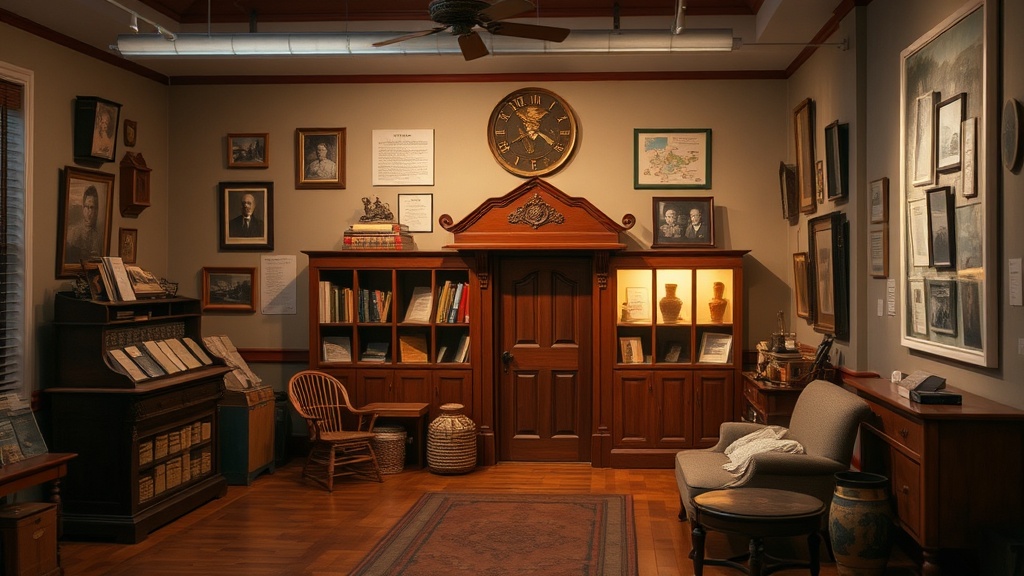
We are lucky to have such a dedicated space in the old Forwarders' Museum building. It is a stone structure that has seen the rise and fall of the shipping industry and the steady growth of our town. When you walk through those heavy doors, you aren't just visiting a building; you are stepping into a collective memory. The staff and volunteers here know these records better than anyone, and they can help you find your way through the maze of microfilm and file folders without making you feel like a bother. It is a quiet, respectful space where the history of Prescott feels tangible and very much present.
What records are kept at the Prescott Museum?
The collection is much broader than just a few old books. Our community archives hold a treasure trove of primary sources that you won't find on the big commercial genealogy websites. You can look into the local census records from the mid-1800s, which offer a snapshot of who was living in which neighborhood and what they did for a living. There are also extensive files on local families, often containing newspaper clippings, wedding announcements, and even funeral cards that have been donated by Prescott residents over the decades. These personal touches add a lot of color to the dry facts of birth and death dates.
For those interested in the commercial side of things, the archives house business ledgers from long-gone King Street shops. You can see what people were buying, how much a pound of flour cost in 1890, and who was running a tab. We also have a significant collection of photographs. Seeing the Sandra S. Lawn Harbour & Marina area before it was a modern facility—when it was a hub of industrial activity and shipping—really changes how you look at our waterfront during your evening walks. These images show a Prescott that was gritty, busy, and constantly changing, yet still recognizable by its landmarks and street layouts.
How can you access the Prescott community archives?
Getting your hands on these records is fairly straightforward, but it does require a bit of planning. The museum is located at 201 Water Street East, and while the visitor center has regular hours, the research area is best accessed by making an appointment. This ensures that a staff member or a knowledgeable volunteer is available to help you find the specific boxes or microfilm reels you need. It also gives them time to pull records from the back if you have a specific request, like a property search or a family name. Don’t expect to just walk in and find everything in five minutes; historical research is a slow, methodical process that rewards patience.
When you arrive, bring a notebook and a pencil—pens are usually a no-go near original documents to prevent accidental marks. You might also want to bring a digital camera or a smartphone, as many items can be photographed for your personal use, provided the flash is turned off. Using the microfilm reader might feel a bit old-school (and it can make your eyes go a bit blurry after an hour), but there is something deeply satisfying about scrolling through old editions of the local newspaper. You’ll find gossip columns, church news, and ads for local events that give you a real sense of what daily life was like in Prescott a century ago. It is a great way to spend a rainy Tuesday afternoon, tucked away in a corner with a stack of files.
Where do you begin a property history search in Prescott?
If you live in one of the beautiful brick homes near Edward Street or along the western edge of town, you’ve probably wondered who lived there before you. Researching a house in Prescott starts with the land registry records and fire insurance maps. These maps are incredibly detailed; they show the footprint of every building, what it was made of, and even where the outbuildings were located. By comparing maps from different years, you can see when an addition was built or when a carriage house was converted into a garage. It is like watching our town grow in fast-forward, one map at a time.
You can also check the municipal tax rolls, which are often available in the archives. These records show how the value of a property changed over time and can sometimes provide clues about major renovations. If you’re lucky, the museum might even have a photo of your street from the early 1900s. Seeing your own front porch in a black-and-white photo from 1910 is a surreal experience that makes you feel like a temporary steward of the house rather than just an owner. If you hit a dead end, the Ontario Ancestors website is a helpful secondary resource for finding wider regional records that might link back to your Prescott research.
Don't be afraid to ask for help if the system seems confusing. The volunteers are often local history buffs themselves and might know a bit of oral history about your neighborhood that isn't written down anywhere. They might remember who lived in the "old Smith house" or tell you about a business that burned down fifty years ago. That kind of insider knowledge is what makes our local archives so much better than an anonymous online database. It’s about people, not just data points. Once you start digging, you’ll find that every street in Prescott has a story worth telling, and you might just find that your own family is a big part of it.
Writing down what you find is just as important as the search itself. We often think our own lives aren't "historical" enough to matter, but the researchers of 2126 will be looking for the same kinds of details we are looking for now. If you have old photos of Prescott events or documents from a local organization, consider talking to the museum staff about donating copies. Keeping our community archives growing is a team effort. It ensures that the names and faces of Prescott today aren't forgotten by the generations that will follow us down King Street.