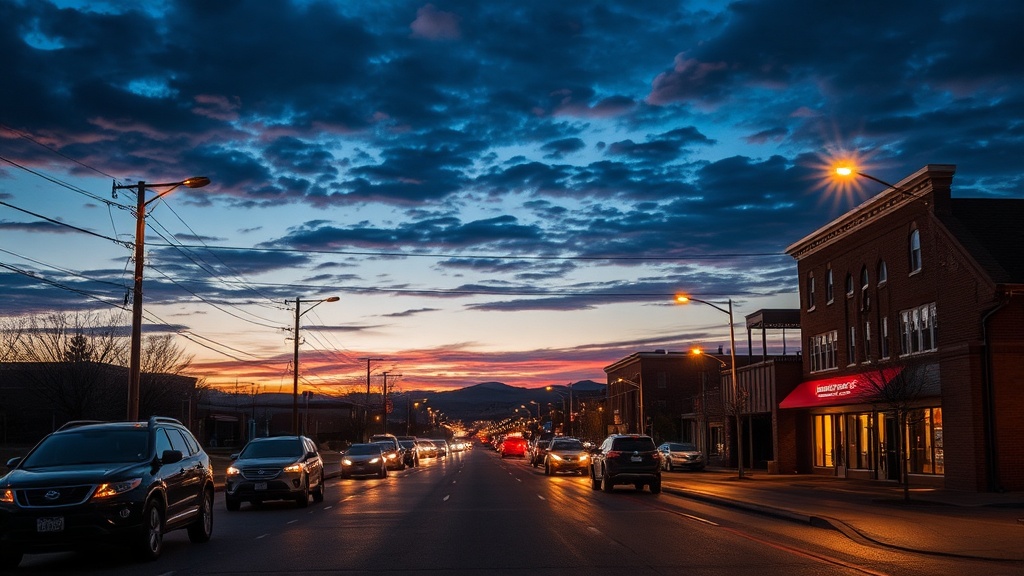
Navigating Municipal Changes and Local Infrastructure in Prescott

Why Local Infrastructure Matters for Every Prescott Resident
People often assume that municipal maintenance is a background process that only becomes visible when a pothole appears on Brockville Street. This is a mistake. Effective local governance in Prescott involves constant, invisible work—from managing storm water runoff near the waterfront to ensuring our street lighting stays functional during a heavy fog. Understanding how our town manages its physical assets isn't just for civil engineers; it's for every resident who wants to know how our community stays functional and safe. We're looking at the systems that keep our streets clear and our public-facing services running smoothly.
When we talk about infrastructure in Prescott, we're talking about the very bones of our town. It's the pipes under the streets, the drainage systems near the river, and the paved surfaces we drive on every day. If these systems aren't maintained, the cost to our community grows exponentially. We need to stay informed about how our tax dollars are being used to preserve the charm and usability of our neighborhoods, whether you live near the historic center or out toward the more residential pockets.
How Does Prescott Handle Seasonal Road Maintenance?
One of the most frequent questions we hear around town involves the timing of road repairs and snow removal. Residents often wonder why certain streets are prioritized over others during a heavy Prescott winter or a muddy spring. The reality is a complex schedule dictated by weather-proofing and priority zones. The town focuses on major arteries first—routes that connect us to essential services—before moving into the smaller residential side streets. This ensures that emergency vehicles can always reach us, even when the weather turns sour.
For instance, keeping the main thoroughfares clear is a top priority for our local crews. We've noticed that during heavy snowfalls, the focus stays on the routes that lead to local essentials. If you're living near the waterfront, you might notice different drainage management techniques are used to prevent flooding. This isn't a random process; it's a calculated part of our municipal strategy to protect the property values and safety of our Prescott homes. You can often find detailed-oriented updates regarding road closures and maintenance schedules on the official Town of Prescott website.
Where Can Residents Report Local Infrastructure Issues?
We've all been there—you notice a street sign is leaning, a streetlight is out on a dark corner, or a drainage ditch is blocked near a local park. Many residents don't realize there's a direct way to communicate these concerns to the people who can actually fix them. Our community thrives when we act as the extra eyes for the town. Reporting a non-emergency issue isn't just about complaining; it's about being a proactive part of the Prescott maintenance cycle.
- Street Lighting: If a light goes out near your home, it's a safety issue that needs immediate attention.
- Drainage and Culverts: Water pooling on the road can lead to long-term damage if not addressed.
- Signage: A missing or damaged sign can affect traffic flow and safety for our kids.
The most effective way to get these issues on the radar is through the formal channels provided by the municipality. Most of these concerns can be tracked through the official town portals, ensuring that the work is documented and scheduled. We've seen that when residents take the time to report these small things, the response time for repairs in Prescott tends to improve.
What Are the Long-Term Plans for Prescott's Water Systems?
Water is perhaps our most vital resource, especially given our proximity to the St. Lawrence River. There is a common misconception that our water system is a "set it and forget it" utility. In reality, the management of our water and sewage systems requires constant monitoring to ensure compliance with provincial standards. Maintaining these systems is a massive undertaking that involves both upgrading aging pipes and implementing new technology to prevent leaks.
The town's ability to manage its water supply directly impacts our property taxes and our long-term stability. As we look toward the future, the focus is on making our systems more resilient against extreme weather events. This is a critical part of being a responsible community. For more detailed information on environmental regulations and water management standards in Ontario, you can visit the Ministry of the Environment, Conservation and Parks website.
Being an informed resident means looking beyond the surface. It means understanding that the smooth ride you had on the way to the grocery store today was the result of a dedicated team working behind the scenes in Prescott. We should all be part of the conversation when it comes to how our town grows and how we protect the infrastructure that makes our lives easier every single day.