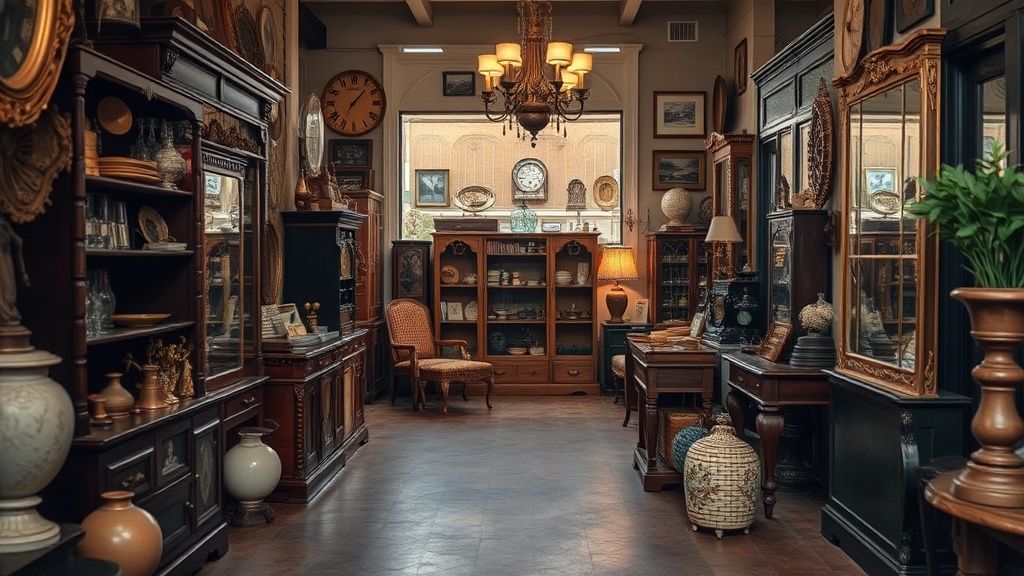
Exploring the Historic Charm of Prescott's Local Antique Shops

Are you looking for a way to find high-quality vintage-inspired decor or genuine historical artifacts right here in our corner of Ontario? This guide walks through the best antique shops in Prescott and the surrounding area, detailing what you can expect to find, how much you might spend, and where to hunt for specific items. If you're a collector or just someone who loves a good thrift, you'll find that our local shops offer far more than just dusty shelves.
Where can I find the best antique shops in Prescott?
The best antique shops in Prescott are located primarily along the main thoroughfares and tucked away in the historic side streets near the waterfront. You'll find a mix of large, sprawling warehouses and small, curated boutiques that specialize in everything from mid-century modern furniture to Victorian-era collectibles.
Start your hunt near the downtown core. Many of the shops here are housed in buildings that have stood for over a century, which sets the mood before you even step through the door. You'll see a lot of heavy wood furniture, brass hardware, and old-fashioned kitchenware. It's a far cry from the mass-produced stuff you find at big-box retailers.
If you have a bit more time, I suggest driving a few minutes out of town. The rural roads surrounding Prescott are home to some truly incredible estate sales and smaller, unbranded shops. These spots often have the "good stuff" that hasn't been cleaned up for a storefront yet—raw, unpolished, and often much cheaper. (Just make sure you have a vehicle large enough to haul a heavy oak table home.)
If you want to pair your shopping trip with a bit of scenery, don't forget to check out the scenic riverside walks after you've finished your hunt. It's a great way to clear your head after spending an hour squinting at small print on antique labels.
Types of Items You'll Find
The variety is actually quite broad. You aren't just looking at old clocks; you're looking at pieces of history. Here is a breakdown of the most common categories you'll encounter:
- Vintage Kitchenware: Think Pyrex bowls, cast iron skillets, and old-fashioned copper tea kettles.
- Home Decor: Brass candlesticks, vintage mirrors, and heavy-duty stoneware vases.
- Furniture: Solid wood dining tables, velvet armchairs, and occasionally some truly impressive wayback-machine-era pieces.
- Collectibles: Old coins, vintage postcards, and even historical items related to the St. Lawrence Seaway.
How much does antique shopping cost in the area?
The cost of antiques in the Prescott area varies wildly depending on whether you are buying a $5 vintage postcard or a $500 mid-century sideboard. Most shops price their items based on condition, rarity, and the current demand for that specific era.
To give you a better idea of what to budget, I've put together a rough estimate of what you might spend on common finds. Keep in mind, these are just estimates—prices can change based on the season or the quality of the piece.
| Item Type | Estimated Price Range (CAD) | Notes |
|---|---|---|
| Small Trinkets/Decor | $5 - $25 | Great for gifts or small shelf fillers. |
| Vintage Glassware | $15 - $60 | Look for brands like Pyrex or mid-century art glass. |
| Small Furniture Pieces | $40 - $150 | Nightstands, small end tables, or stools. |
| Large Statement Furniture | $200 - $800+ | Dining sets, armoires, or large buffets. |
Don't be afraid to ask questions about the history of an item. A lot of these shop owners are incredibly knowledgeable. They can often tell you if a piece is a genuine antique or a high-quality reproduction. Knowing the difference is a big part of the fun—and it helps you justify the price tag to yourself later.
If you're looking for something specific, like a certain brand of vintage kitchenware, you might want to check the Wikipedia page on antiques to understand the standard classifications. It helps to know if you're looking for an "antique" (over 100 years old) or just a "vintage" item.
What should I look for when buying vintage furniture?
You should look for structural integrity, wood quality, and signs of authentic aging rather than modern damage. When you're browsing, don't just look at the surface; look at the joints and the underside of the piece.
First, check the drawers. If you're looking at a wooden dresser, pull the drawers out completely. Are they dovetail joints? Are they sturdy? If the wood is warped or the drawer sticks heavily, it might be a headache to deal with at home. I've seen many people buy a beautiful piece only to realize it won't actually function in their space.
Second, look for "character" versus "damage." A few scratches on a mid-century modern chair might be fine, but deep gouges or water stains on a tabletop are much harder to fix. If you see signs of woodworm or heavy insect damage, walk away. That's a problem that's nearly impossible to solve once it's in your house.
Third, check the hardware. Are the knobs and pulls original? While you can always replace them, original hardware adds a lot of value and authenticity to a piece. It's those little details that make a vintage find feel special.
It's also smart to consider the weight. If you're buying a heavy piece of furniture, make sure you have a plan for transport. Most of these shops are local, and while they might offer delivery for a fee, you'll want to be prepared for the heavy lifting yourself.
Pro Tips for Successful Hunting
- Go on a weekday: The shops are much quieter, and you won't feel rushed. You can actually take your time to inspect items.
- Bring a measuring tape: There is nothing worse than falling in love with a lamp or a side table only to get home and realize it won't fit in your nook.
- Check the light: Some items look great under shop lights but look totally different in natural light. If you can, ask to see a piece near a window.
- Research before you buy: If you see a piece that looks like a specific brand or maker, do a quick search on your phone. It's a great way to confirm value on the spot.
If you're interested in the local history that often inspires these shops, you might enjoy looking into the history of the area. Understanding the local-era influences can actually help you identify what kind of pieces might be common in our local shops.
One thing to remember: the best finds aren't always the ones that look perfect right away. Sometimes, a little bit of polishing or a fresh coat of wax can turn a "diamond in the rough" into the centerpiece of your living room. Don't be afraid of a little DIY work.
The antique scene in and around Prescott is a community of sorts. The shop owners are often collectors themselves, and they love sharing their passion. Treat them with respect, ask about their favorite finds, and you'll likely get much more out of your visit than just a transaction.
Whether you're hunting for a specific piece to complete a room or just browsing for inspiration, there's no shortage of treasures to discover here. Just remember to keep your eyes peeled—the best stuff often hides in plain sight.